Written By: Hatim Dungrawala
Edited By: Autumn Diamond
Designed By: Jedrick Asuncion
Published By: Tanvi Jillella
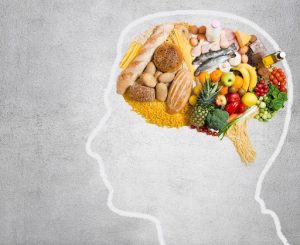
Have you ever eaten food and experienced a gradual change in your head? Perhaps, certain foods made you feel ecstatic and invulnerable, while others left you with a sickened feeling in the head, wondering what exactly hit you? Well, nutritional psychiatry is a good tool to understand the relationship between food and the brain, as this balance is necessary to maintain good well-being.
Firstly, let’s begin by defining nutritional psychiatry. Nutritional psychiatry can be thought of as supporting optimal brain function through proper consumption of food and supplements which directly mitigates mental health issues, a simple yet highly challenging concept to have in good practice. Our brains require high quality nutrition in order to sustain itself, but subpar eating habits typically execute the opposite effect.
Serotonin is one of many neurotransmitters in the human brain, accountable for pain reduction, regulating moods, and balancing one’s sleep and hunger. 95% of total serotonin production is based in the gastrointestinal tract (your stomach). The presence of serotonin in this part of the body is single-handedly one of the primary contributors to this food and mood relationship due to high amounts of good bacteria in the area (p.4, Selhub, E., 2022). The intestinal tract is lined with myriads of neurons that relay emotional sensations to the brain based on the good bacteria. Besides their communicative roles, good bacteria are proven to mitigate inflammatory processes in the GI tract, while also improving nutrients absorption and improving the relationship between the stomach and the brain via the strengthening of direct paths. Fermentation remains common practice to preserve unprocessed foods, benefiting the consumer due to its role as a probiotic in the gut.
Minerals, vitamins, and other key nutrients, in regular consumption, are proven to have significant positive effects on one’s health, including a change in cognition and mood, along with undoing the severe effects of neurological disease. When such nutrients are given, the brain undergoes a period of nourishment, absorbing all of these compounds that play key roles in daily biological procedures, while also defending the brain from oxidative stress.
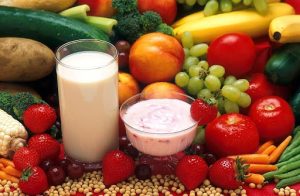
Diets such as a Mediterranean or a Japanese diet are scientifically proven to foster a healthier linkage between food consumption and brain well-being. For those regularly abiding to a traditional diet, chances of depression significantly fall by 25-35% in comparison to the “Western” diet (p.4, Selhub, E., 2022). Diving deeper, these conventional and simplistic diets are prized for their healthiness due to their use of items such as fresh vegetables, fruits, unprocessed grains, and similar items, with lean meat and dairy usage remaining minimal. This acts as one of the main differentiating factors from the typical “Western” diet, whose utilization of refined and highly processed ingredients has been drastically climbing since the advent of the preserved and processed food era. Research proves that consumption of such foods can be disruptive to the relationship between the gut and the brain.
In conclusion, nutritional psychiatry’s importance to our health is invaluable, as the need for optimal balance in eating habits is key, considering the fragility of the gut & brain relationship. The health benefits linked with proper eating habits make it even more crucial to implement, especially in today’s processed and fast-food world. Anyone can achieve good gut and brain health, fostering a more productive and healthier life.
References:
Blocked. (2024). Flickr.com. https://www.flickr.com/photos/arselectronica/14063329988
Greenblatt, J. (2023, September 12). Nutrition is Not Alternative Medicine | Psychiatry Redefined. Psychiatry Redefined. https://www.psychiatryredefined.org/nutrition-is-not-alternative-medicine/
Hanson-Baiden, J. (2022, January 18). What is Nutritional Psychiatry? News-Medical.net. https://www.news-medical.net/health/What-is-Nutritional-Psychiatry.aspx
NHS. (2022, November 22). 8 Tips for Healthy Eating. NHS; NHS. https://www.nhs.uk/live-well/eat-well/how-to-eat-a-balanced-diet/eight-tips-for-healthy-eating/
Selhub, E. (2022, September 18). Nutritional psychiatry: Your brain on food . Harvard Health Blog; Harvard Health Publishing. https://www.health.harvard.edu/blog/nutritional-psychiatry-your-brain-on-food-201511168626
Ramsey, D. (2022, July 7). What is nutritional psychiatry? Drew Ramsey MD. https://drewramseymd.com/brain-food-nutrition/what-is-nutritional-psychiatry/.
Royalty-Free photo: Variety of fruits | PickPik. (2026). Pickpik.com. https://www.pickpik.com/healthy-food-fruit-vegetables-dairy-food-dietetic-56379