Written By: Ayman Anas Khan
Edited By: Ocean Croft
Designed By: Harneet Khurana
Published By: Ayman Anas Khan
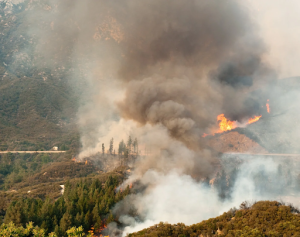
Wildfires are becoming more frequent and intense across Canada, and their effects extend far beyond burned forests. These unexpected disasters have a significant impact on C
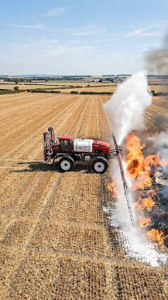
anada’s food systems, affecting farmers, livestock, transportation, and food prices. One of the biggest impacts is the loss of farmland and crops. Wildfires can destroy fields, orchards, and land used to cultivate livestock and horticulture, leaving farmers with reduced harvests and costly damage. Furthermore, smoke from nearby fires can also temporarily reduce sunlight, slowing plant growth and lowering crop quality.
Livestock producers have been significantly affected as well. Wildfires can force farmers to relocate their cattle, sheep and other animals common in Canada’s agriculture industry, while smoke can worsen air quality, increasing the stress on stress on livestock, leading to more premature deaths. In some cases, grazing or feeding land is destroyed, and in some cases making it difficult to feed animals and increasing production costs.
Wildfires can also disrupt food transportation by causing road closures, damaged infrastructure, and rail delays make it harder to move food from farms to grocery stores. As a result, these disruptions can lead to temporary shortages of fresh produce and higher prices for consumers.
Another concern is soil health. After a wildfire, valuable soil-nutrients may be lost such as phosphorus, and heavy rain can wash away topsoil or soil optimal for plant growth, making farmland less productive. Recovery of these vital compounds can take months of even years, depending on the severity of the nearby fires.
Climate change has increased the likelihood of longer wildfire seasons, making these events a growing threat to Canada’s food security. Fortunately, governments, scientists, and farmers are working together to improve wildfire preparedness through better land management, emergency response plans, and farming practices that increase resilience to future issues rooted from climate change.
Although wildfires are a natural part of many Canadian ecosystems, particularly in the prairies, their increasing frequency highlights the close connection between environmental sustainability and optimal food production. Perhaps protecting forests, reducing wildfire risks, and supporting affected farmers are important steps toward maintaining a stable and reliable food system for future generations to come.