Written By: Ayman Anas Khan
Edited By: Arjun Singh
Designed By: Harneet Khurana
Published By: Polina
 Direct Impact on Livestock
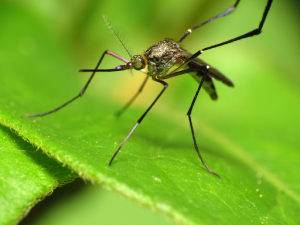
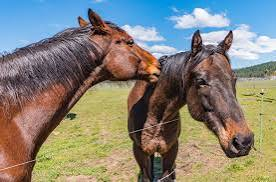
Mosquitos are often seen as nothing more than a summertime annoyance, but in Canada, these small but increasingly concerning insects can have surprising effects on livestock and food production. Their impact goes far beyond itchy bites, creating challenges for farmers and animal health experts across the country, as expenses soar to remove them from farms. This is due to large mosquito populations that can cause significant stress in cattle, horses, and different species of sheep. The constant biting of mosquitos makes animals spend more energy avoiding insects instead of feeding and resting. This can reduce grazing time, cause slow weight gain, and result in lower productivity for livestock, which may affect the efficiency of livestock operations, which can consequently affect supply trends for multiple food systems.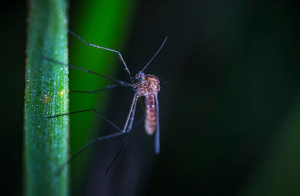
Disease Transmission Risks
Beyond livestock, mosquitoes also create risks by spreading serious diseases. Certain mosquito species, such as the Woodland Mosquito, can transmit specific proteins and pathogens that can further impact animals due to abnormal migration patterns, including trace amounts of West Nile Virus, which can cause mild to serious illnesses and transfer pathogens directly to humans. Moreover, monitoring mosquito populations is important because changes in temperature and rainfall can influence mosquito activity and increase the risk of disease outbreaks, potentially increasing the risk of mosquito-borne disease affecting both animals and humans (Public Health Agency of Canada, 2023).
 Economic Impact and Climate Risks
The economic effects of mosquito problems can also be significant, such as diminishing budgets for farmers due to pesticide expenses. Farmers may need to invest in insect control methods, improved drainage, protective shelters, and veterinary care to reduce the impact on their animals. These additional costs can increase the overall expenses of producing meat, milk, and other livestock products.
Climate change is also making mosquito-related challenges more unpredictable. Warmer temperatures and changing weather patterns can create better breeding conditions, especially still water reserves, allowing some mosquito populations to become active for longer periods (Public Health Agency of Canada, 2023). This may increase stress on livestock and create new pest-based challenges for Canadian farmers. 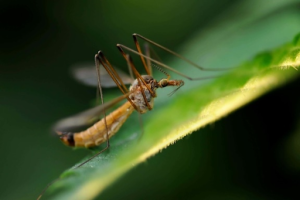
Although mosquitoes are extremely small, their influence on Canadian agriculture is surprisingly large, especially due climate change alters environmental conditions . By affecting animal health, productivity and farming costs, these insects demonstrate how even the smallest role can have significant and alarming consequences in Canada’s food systems. Perhaps understanding and managing mosquito populations will help protect both livestock and the future of Canadian Agriculture.
Public Health Agency of Canada. (2023). West Nile virus: Surveillance and prevention. Government of Canada.
https://www.canada.ca/en/public-health.html