
Written by: Hatim Dungraw
Edited by: Ocean Croft
Designed by: Pranav
Published by: Pranav
Plants, our friendly floral allies! For millennia, plants have been a cornerstone to human survival and progress. The advent of farming in the ancient world was proven to lengthen lifespans and foster the creation of civilized societies, with progress and stability being associated with those who took advantage of plants. Even when leaving fauna alone, their phenomenal ability to support and regulate our environment without any human interaction showcases how great plants can be. Our precious plants are susceptible to threats though, but through the integration of numerous strategies, we can support our dear plants’ sustenance and livelihood.
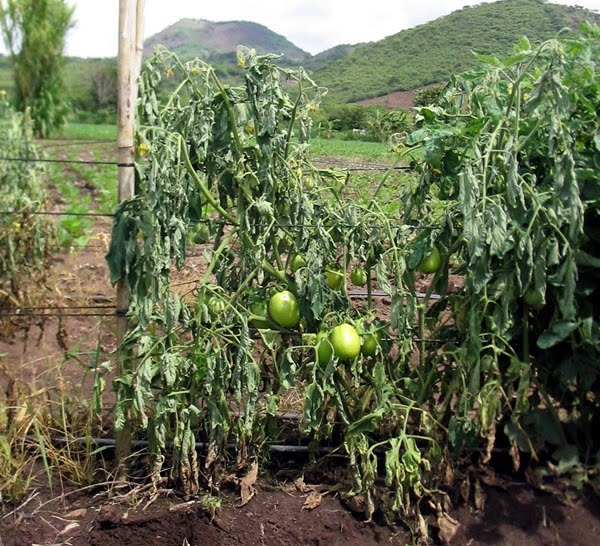
When plants are struggling, there are many telltale signs to identify their hardships. For example, one of the more notable signs is wilting. Disease-related issues could be the cause of the plant wilting, however, majority of the time, wilting is typically caused by low soil moisture. To check soil moisture, an effective way to do so is digging through the soil, up to 6 inches. At that point, if the soil is still moist, that is a sign that the plant is adequately hydrated. If not, the best course of action is to water your plant plentifully, and recovery should be evident in about 24 hours.
On the other hand, excessive moisture in the plant is also a sign of wilting, as the increase in water mitigates air levels in the soil, effectively suffocating the plant. In this case, avoiding any further watering is the best way to go, and you should wait for the plant to become dryer. If this doesn’t happen, then it’s safe to assume that water might’ve not been the cause, or the damage to the plant is irrevocable.
Moving on, a significant hint of a plant going through a hard time is bleached foliage. During this time, it is normal to see discoloration, primarily on the leaves that had the most exposure to sunlight. When this happens, moving the plants, especially new ones, back indoors and progressively exposing them to sunlight is the most advisable, with most plants being able to heal from the effects of minor sunburn.
Pest infestation is a highly devastating source of plant distress and can be fatal. With quick identification and a good plan though, anyone can save their plants from those nasty pests! Pests can vary greatly, including mealybugs, spider mites, and aphids. Their destruction is relatively obvious, as they tend to make holes, leave a sticky coating, or perhaps form some webs.
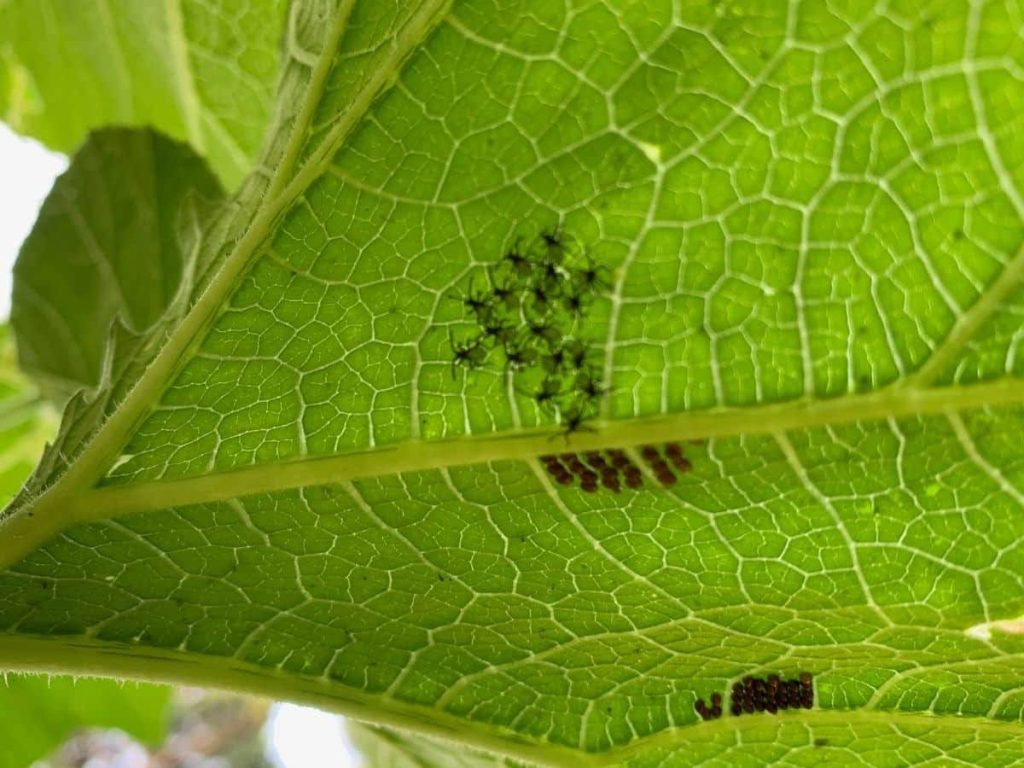
The first step to take is removing the affected parts of the plant. To do this, consider using pruners to extract the leaves, ideally not getting rid of more than ⅓ of the actual plant. Doing this reduces the plant’s burden, diverting that energy into fighting for itself, expediting the plant’s recovery. Following this, clearing the plant’s vicinity is crucial, as this makes it easier to find the pest(s). This can include removing leaves, weeds, and other surrounding items in order to easily spot it. If you want to catch your pets red-handed, the best times to do so are typically in the early morning hours or the evening, checking all areas of the plant while doing so. Giving your plant proper nutrients can also allow it to ward off pests easier, as its self-defense systems are designed to handle foreign invaders and various other situations. Knowing your pest’s predator will also allow you to mitigate its presence, saving the plant even further. Finally, the use of pesticides should be zero, unless absolutely required.
In conclusion, the roles plants play in our lives is invaluable, as they remain highly beneficial to our advancement and survival, as history portrays. Identifying their times of struggle and knowing the best way to support our plants will foster agricultural efficiency and environmental longevity, contributing to the prosperity of the human race for generations to come.
References
Burke, N. (2022, July 6). Organic Ways to Treat Pests in a Vegetable Garden. Gardenary. https://www.gardenary.com/blog/organic-ways-to-treat-pests-in-a-vegetable-garden
Garden. (2023, July 26). How to Recognize Plant Stress | Gardener’s Supply. Gardeners Supply. https://www.gardeners.com/blogs/techniques-tools-articles/plant-stress-7341
Jill. (2024, June 12). How To Identify What’s Eating Your Plants | The Beginner’s Garden. The Beginner’s Garden. https://journeywithjill.net/gardening/2024/06/12/how-to-identify-whats-eating-your-plants/
Pixnio. (2017, May 28). Free picture: tomato, green, vegetable, garden, food, agriculture. Pixnio – Public Domain Images. https://pixnio.com/flora-plants/vegetables/tomato-pictures/tomato-green-vegetable-garden-food-agriculture
Singh, M. (2023). Tomato multiple disease 1 Object Detection Dataset by Manish Singh. Roboflow. https://universe.roboflow.com/manish-singh-dnm7z/tomato-multiple-disease-1
What Are The Signs My Plants In Distress? (2023, June 14). | Talk Plant to Me |. https://talkplanttome.com/2023/06/14/what-are-the-signs-my-plants-in-distress/