Written By: Ayman Anas Khan
Edited By: Avah Manu
Designed By: Armita
Published By: Valerie Belopolsky
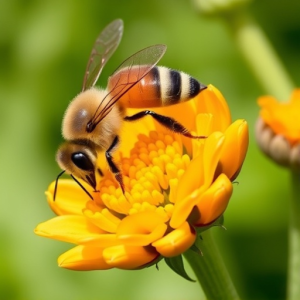
When people think about farming, they often picture tractors, fields, and farmers harvesting crops. What many don’t realize is that a significant portion of the most important workers in agriculture weigh less than a coin. These, in fact, are pollinators, which include bees, butterflies, and even some birds, and play a vital role in producing many of the products we eat every day. Without them, grocery stores would look quite different, and global food production would face serious challenges.
Beyond farms and agriculture, pollinators also support entire ecosystems that make agriculture possible. Through helping wild flowering plants reproduce, they help maintain biodiversity, stabilize soil contents, and provide habits for wildlife. These ecosystem services create resilient environments that benefit agriculture by reducing erosion, improving soil health, and supporting natural pest control. As evident by the numerous interactions pollinators have with their surroundings, healthy ecosystems and productive food systems are closely connected, and pollinators help link the two.
Furthermore, scientists estimate that the economic value of pollination services is hundreds of billions of dollars each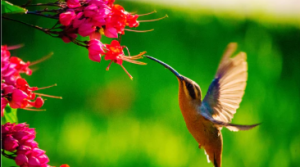 year, making pollinators one of nature’s most valuable contributors to agriculture (Intergovernmental Science Policy Platform on Biodiversity and Ecosystem Services, 2016). Despite their small size, their work saves farmers a huge sum of money from relying on expensive artificial pollination methods, which are also often less effective. Protecting pollinators also supports sustainable food systems. Methods such as planting native flowers, reducing unnecessary pesticide use, preserving natural habitats, and increasing plant diversity can all help maintain healthy pollinator populations. These actions not only benefit insects and other pollinating animals but also improve the long-term stability of food products.
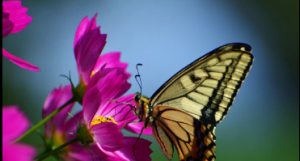 So the next time you eat an apple, enjoy a handful of berries, or even sip a cup of coffee, consider the tiny pollinators that helped make it possible. Their work is often invisible, but it forms one of the most important foundations of the global food system. Without these remarkable organisms, many of the foods people enjoy every day would be far less abundant or might not exist at all.
References:
Food and Agriculture Organization of the United Nations. (2018). Why bees matter: The importance of bees and other pollinators for food and agriculture. https://www.fao.org/3/i9527en/i9527en.pdf
Intergovernmental Science-Policy Platform on Biodiversity and Ecosystem Services. (2016). The assessment report on pollinators, pollination and food production. https://ipbes.net/assessment-reports/pollinators