Written by Aryan Bharucha
Edited by Yaashi Mulchandani
Designed by Rashiqa Ali
Seedling Transplantation and Care
Have you ever noticed seedlings stop growing when they’re too crowded? Growing plants from seeds takes patience, and one of the most important stages is moving young plants into a space where they can continue to develop. Seedling transplantation is the process of transferring a young plant from a seed tray, nursery bed, or small container into a larger pot or directly into garden soil. When seedlings stay crowded for too long, their roots compete and growth slows. Transplanting solves this by giving each plant its own area to grow, which leads to stronger stems and healthier leaves.
What does it mean?
Seedling transplantation refers to the act of moving a young plant from the place where you first started the seed into a new location where the plant will continue growing. This new location can be a larger pot, a garden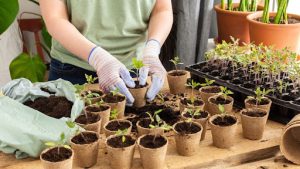 bed, or a field. The goal is to give the plant more space, better access to nutrients, and stronger growing conditions as it develops.
In early growth stages, seeds are often planted close together in trays or nursery beds to save space and make care easier. As the seedlings grow, their roots begin to crowd and compete for water and minerals. Transplanting solves this problem by placing each plant in its own space where roots can spread freely.
Benefits of Seedling Transplantation
Transplanting seedlings gives each plant the space and resources needed for steady growth. When plants stay crowded in trays or nursery beds, their roots compete for water, oxygen, and nutrients. This competition slows 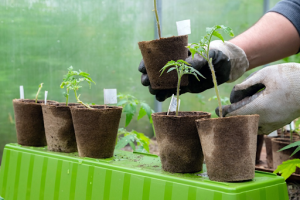 development and can lead to weak stems and small leaves. By moving seedlings into larger containers or open soil, you allow roots to spread and absorb more nutrients from the surrounding soil.
Transplanting also helps you select only the healthiest plants. You can remove weak or damaged seedlings and keep the strongest ones for planting. This improves overall plant quality and increases the chances of better yields in crops such as tomatoes, peppers, and leafy vegetables. In both home gardening and commercial farming, this method supports efficient use of space and better control over plant growth.
Seedling transplantation plays a key role in the early life of a plant. You start seeds in small, controlled spaces for easier care, then move the young plants into areas where they can grow without restriction. Proper timing, gentle handling, and consistent care after transplanting help reduce stress and support healthy development. When you understand what transplantation means and why it is done, you can improve plant survival, encourage faster growth, and achieve better results in both gardens and farms.
Works Cited:
Resources
https://openknowledge.fao.org/handle/20.500.14283/cd2603en
https://www.rhs.org.uk/vegetables/seeds-sowing
Image Credit
https://jobescompany.com/transplanting-vs-direct-sowing-seeds-benefits-of-each/