Written by Declan Murphy
Edited by Jana Daniels
Designed by Nabiha Khan
Published by Maryam Khan
Gardening for food is important for our health and food sovereignty, but is growing ornamentals also a worthwhile use of time and garden space? This blog post says yes, and tells you why.
Gardeners have to be pragmatic about their available space and its use, and most people don’t have the luxury of planting all of the things they would like to grow. Therefore, it’s understandable if someone would be reluctant to “give up space” in their plots to something they can’t eat.
However, there are at least five very good reasons why you should consider making room for ornamentals!
- Reminder: Not all ornamentals are inedible!
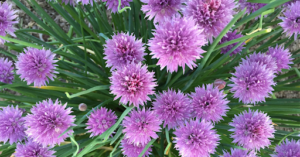
Planting with an eye to aesthetics as well as nutrition is called “edible landscaping”, and many gardeners swear by it as a way to create a beautiful and serene space, as well as grow food. One key to edible landscaping is selecting foods that do double duty. Some vegetables, such as some varieties of kale or chard, can be both beautiful and edible. However, don’t discount “flowers” as a source of food! Lavender, chamomile and echinacea all make wonderful teas, and chives are delicious fresh or dried. Nasturtiums or pansies can add drama to a summer salad. Do some research, and select some edible plants that will also add splashes of colour throughout your garden!
- Putting out the Welcome Mat for Pollinators.
The major bonus that ornamentals like flowers add to your garden is, of course, their attraction for pollinators, such as bees and hummingbirds. Humble cornflowers, aster and milkweed blooms will bring butterflies to your yard. Snapdragons are a famous favourite for bees. Calendula flowers, which are an easy-going bedding or container plant, not only attract pollinators, but are also edible in their own right! As an added bonus, flowers often appear on ornamentals before they begin on vegetables, so you can lure in the pollinators right from the beginning of the season. You could even grow potted flowering plants inside and move them outside during the day very early in the spring to get a jump on your pollinator population. Once bees have your garden on their daily to-visit list, you (and your veggies) will probably enjoy their services all summer long. A strong pollinator population means more produce!
- Repel Pests!
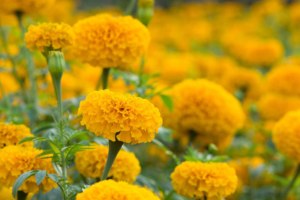
There are even ornamental plants that help gardeners regulate pests in their veggies. Nasturtiums will attract slugs away from your more valuable crops, for example, and beebalm is known as a caterpillar repellant. Calendula is so attractive to aphids, they can often lure them away from any other plant. Marigolds deter aphids, and some squirrels and other garden raiders seem to find them unpleasant to smell. Lavender can also deter deer who come around to munch on your veggies, as they apparently don’t like the taste. A flowering cousin to your brassicas, Sweet Alyssum can also attract ladybugs, who are a gardener’s best friend due to how many harmful insects they consume per season. Gardeners should look into these natural forms of pest control, to add beauty as well as a level of protection to their garden.
- Improve biodiversity and soil health.
The planting of ornamentals can also be useful in keeping your soil and environment healthier. By selecting indigenous flowers (and avoiding invasive ones), for example, you help encourage native flora and fauna in your area. They bring in native birds of all kinds, and generally encourage life to flourish in your space. Flowers also add extra diversity to a garden otherwise occupied by just a few vegetable species. Some flowering species, such as nasturtiums, are the type of ground cover that holds in moisture and prevents soil loss. Sunflowers and flowering bushes can also provide shelter from wind and prevent erosion during heatwaves, and flowering cilantro (which is also edible) grows very deep roots that naturally till and moisten the soil. A major nitrogen fixer, clover can function as “green manure” if it is turned into the soil to replenish its nutrients at the end of the season. Ornamentals can be very beneficial for the health and maintenance of your garden space, making it more efficient for your vegetables in the long term.
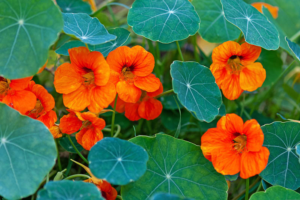
- Flowers are, well… Pretty.
We’ve seen that planting flowers isn’t just about how your garden looks, but we can’t ignore the benefits of beautifying your garden space. Like the bees, it’s hard for humans to resist the allure of a pretty, sweet smelling garden, and flowers are always a nice addition because they provide pleasure and draw us to our gardens for more than just chores. Besides, many flowering species endure long past harvest, so they may give you something to enjoy well into October, and can provide food for birds, bees and butterflies well into the autumn. Gardens don’t just feed the stomach, they also feed the soul!
“Companion planting” is the practice of designing a garden carefully through considering combinations of plants, not just as a series of individual species. Clearly, ornamentals can play a significant role in this process if we remember a garden as a system is about more than just what directly produces harvestable food.
I hope this post has been helpful and you give some ornamental plants a second thought while planning your next growing season.
Happy gardening!
References
Amy. (2017, January 21). 6 Flowers to Grow in the Vegetable Garden. Tenth Acre Farm. https://www.tenthacrefarm.com/flowers-vegetable-garden/.
Biggs, S. (2024, February 29). Edible Flowers. Food Garden Life. https://www.foodgardenlife.com/learn/edible-flowers
Bodley, B. (2025.) A Happy, Healthy Garden: Growing Food with the Birds and the Bees – SPRUCE MAGAZINE. Sprucemagazine.ca. https://www.sprucemagazine.ca/a-happy-healthy-garden-growing-food-with-the-birds-and-the-bees/.
Burke, N. (2025.) 15 of the Best Flowers to Grow in a Vegetable Garden. Gardenary.com. https://www.gardenary.com/blog/best-flowers-to-grow-in-vegetable-garden.
Gardenia. (2024.) 20 Best Flowers for a Thriving Vegetable Garden. Gardenia. https://www.gardenia.net/guide/best-flowers-every-vegetable-garden-needs.
Gee, T. J. (2022, July 12). How to design an ornamental vegetable garden. House & Garden; House and Garden. https://www.houseandgarden.co.uk/article/how-to-design-an-ornamental-vegetable-garden.
Hansen, J. (2013.) How to Mix Ornamental and Edible Plants in Your Garden. Gardentech.com. https://www.gardentech.com/blog/gardening-and-healthy-living/mixing-edible-and-ornamentals-in-your-landscape.
Hoglin, J. (2020, August). Companion Planting for the Veggie Garden. Gooseberry Gardens. https://www.gooseberrygardens.ca/post/companion-planting-for-the-veggie-garden.
Kathi. (2025.) Why You Should Grow Flowers in Your Vegetable Garden. Oak Hill Homestead. https://www.oakhillhomestead.com/2025/05/flowers-in-vegetable-garden.html.
McIndoe, A. (2025.) 10 Flowers To Grow With Vegetables. Learning with Experts. https://www.learningwithexperts.com/blogs/articles/10-flowers-to-grow-with-vegetables.
McIndoe, A. (2025.) Companion Planting: Flowers To Grow With Vegetables. Learning with Experts. https://www.learningwithexperts.com/blogs/articles/companion-planting-flowers-to-grow-with-vegetables?srsltid=AfmBOooKJuxAbushMQCer5B4h7efagAmghYE7-xCyo183BqCZy9X69uj.
Rose, S. (2021, April 2.) The Ten Best Edible Flowers to Grow in Your Garden. Garden Therapy. https://gardentherapy.ca/ten-edible-flowers/.
Sansone, A. E., & Maze, J. (2022, June 14). 15 Pretty Edible Flowers for Decorating Your Dinner Plates. Country Living. https://www.countryliving.com/food-drinks/g40277800/edible-flowers/?utm