

Written By: Soham Parmar
Edited By: Yaashi Mulchandani
Designed By: Rashiqa Ali
Published By: Autumn Diamond
What if the secret to making your summer meals fresher, tastier, and more exciting was growing right outside your door? Summer is the perfect time to enjoy fresh, home-grown ingredients, and one of the easiest ways to start gardening is to keep a herb planter. Whether you have a backyard, a balcony, or sunny windowsill, growing herbs can add fresh flavours to your meal while helping you learn more about where food comes from. There is also something rewarding about picking herbs that you have grown yourself and using them in a meal only moments later. Best of all, herbs are low-maintenance and can be used in many different summer recipes.
Why Grow Your Own Herbs?
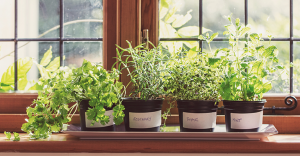 Fresh herbs can completely transform a meal. While dried herbs from the grocery store are convenient, freshly picked herbs often have a stronger aroma and flavour. Popular herbs such as basil, parsley, mint, chives, rosemary, and thyme can be used in a variety of dishes, from salads and pasta to drinks and desserts. For example, a few fresh basil leaves can turn a simple tomato sandwich into a more flavourful and refreshing summer meal. Having an herb planter nearby makes it easy to add a handful of fresh herbs whenever you are cooking.
Growing your own herbs can also be more sustainable and cost-effective. Instead of buying packaged herbs that may go bad before you use them, you can harvest only what you need, helping to reduce food waste and save money. Growing herbs at home also gives you control over how they are grown, allowing you to avoid unnecessary pesticides and chemicals. For young people interested in food systems, keeping an herb planter is a simple way to learn more about food production while enjoying fresh ingredients all summer long.
Tips for Keeping a Herb Planter Healthy
Keeping an herb planter does not require a lot of experience. First, choose a container with drainage holes and fill it with good-quality potting soil. Most herbs grow best in a location that receives at least six hours of sunlight each day. A sunny balcony, patio, or windowsill is often the perfect spot.
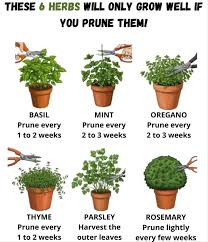 Watering is also important, especially during the hot summer months. Herbs should be watered when the top layer of soil feels dry, but avoid overwatering because soggy soil can damage the roots. Another helpful tip is to harvest your herbs regularly. Many herbs actually grow fuller and healthier when they are trimmed often. Try removing small amounts from the top of the plant rather than taking large sections at once. This encourages new growth and keeps the plant productive throughout the summer. It is also important to remember that different herbs have different growing needs. For example, mint grows very quickly and can spread aggressively, so it is often best grown in its own container. Taking the time to learn about the needs of each herb will help your planter stay healthy and productive all season long.
Using Fresh Herbs in Summer Cooking
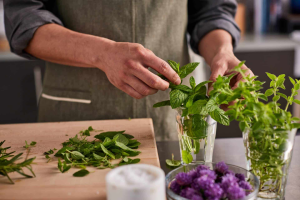 Once your herbs are growing well, the fun part begins—using them in your meals. Basil pairs perfectly with tomatoes, making it a great addition to salads, sandwiches, and pasta dishes. Mint can be added to lemonade, iced tea, or fruit salads for a refreshing summer flavour. Rosemary and thyme work well with roasted vegetables, potatoes, and grilled foods, while chives can add a mild onion flavour to dips, eggs, and salads.
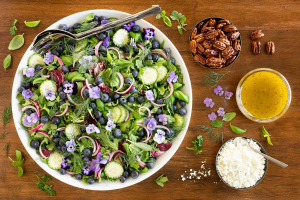 When cooking with herbs, timing matters. Delicate herbs such as basil, parsley, and mint are usually best added near the end of cooking to keep their fresh flavour. Stronger herbs like rosemary and thyme can be added earlier because they hold up well to heat. Even a small amount of fresh herbs can make a simple meal taste more vibrant and delicious.
Conclusion
Growing a herb planter is an easy and rewarding way to enhance your summer cooking. With just a little sunlight, water, and care, you can enjoy fresh herbs all season long. Not only do home-grown herbs add flavour to meals, but they also help reduce food waste and create a stronger connection to the food we eat. Whether you are snipping fresh basil for a sandwich, adding mint to a cold drink, or seasoning a family meal with home-grown rosemary, every harvest is a reminder that great food can start with just a few simple plants. This summer, try growing your own herb planter and experience the satisfaction of bringing fresh flavours straight from your garden to your plate!
Resources
- Scheuer, C. (2023, June 25). How to Keep Fresh Herbs at Your Fingertips All Summer Long. The Café Sucre Farine. https://thecafesucrefarine.com/the-taste-of-summer-how-to-keep-fresh-herbs-at-your-fingertips-all-summer-long/
- Vu, H. (2025, May 7). Growing Herbs Indoors. Hungry Huy. https://www.hungryhuy.com/growing-herbs-indoors/
- Estela. (2024, October 4). Why You Should Grow Your Own Garden Herbs at Home. Atami. https://atami.com/en-ca/blog/cultivation/why-you-should-grow-your-own-garden-herbs-at-home