The Hidden Hunger: Understanding Urban Food Deserts
Written By: Ayman Anas Khan
Edited By: Yaashi Mulchandani
Designed By: Jedrick Asuncion
Published By: Vagavi Velavathasan
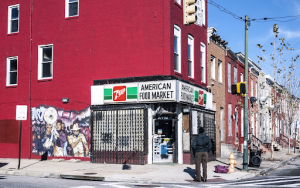
In many cities across the world, access to fresh and healthy food is not as easy as it might seem. Urban food deserts, which are areas where residents have limited access to affordable and nutritious food, affect millions of people, often in lower-income neighbourhoods. These “deserts” are not always empty spaces, instead, they are sometimes communities surrounded by convenience stores and fast-food outlets that provide cheap, highly processed foods that lack fresh fruits, vegetables, and whole grains. Addressing urban food deserts is essential for improving public health and creating more equitable, resilient communities.
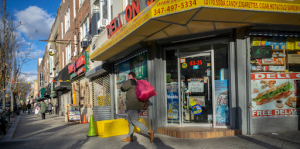
The consequences of living in a food desert extend beyond hunger. Various studies have shown that people in these communities are more likely to experience diet-related health problems such as obesity, diabetes, and even heart disease. Additionally, for children, limited access to nutritious meals can affect growth, academic concentration, and long-term health outcomes. These health obstacles are often caused by economic and social challenges, which make the issue of food deserts a really complex problem that can be related to systemic inequality.
Moreover, several factors can contribute to the creation of urban food deserts. Grocery stores often avoid low-income neighbourhoods due to assumed economic risks and high operational costs, due to lower consumer purchasing power. Additionally, public transport may be scarce or inefficient in these communities, making it difficult for residents to travel to stores with fresh produce. Even when fresh food is available, the high prices and limited financial resources make it difficult for individuals to purchase healthier options consistently.

Addressing food deserts requires more than just opening a grocery store with fruits and vegetables. Community-based solutions have shown some success in improving access to nutritious food while also strengthening local economics. Urban gardens, farmers’ markets, and cooperative grocery stores allow for communities to take control of their food systems in their urban neighbourhoods. In addition, programs such as “mobile markets” or food delivery services can bring fresh produce directly to neighbourhoods that lack traditional grocery stores. For example, urban gardens in the Greater Toronto Area such as the Allan Gardens Conservatory allow for the increased flow of fresh produce in urban environments. Education is another important component, as teaching residents about nutrition and cooking with healthy ingredients can help ensure that food is not only available, but used in ways that benefit the individuals’ health too.
Perhaps most importantly, tackling urban food deserts highlights the connection between food systems and social equality. It reminds us that access to healthy food is not just a personal choice, but a systemic issue shaped by economics, infrastructure, and food systems. By addressing these challenges, cities and urban areas can build resilient food systems that nourish both people and communities, ensuring that no neighborhood is left behind in the fight against hunger.