Written by: Ayman Anas Khan
Edited by: Mannat Malhan
Designed by: Yaashi Mulchandani
Published by: Danujan Krishnakumar
Eat This, Not That?: How Diet Trends Shape Food Systems
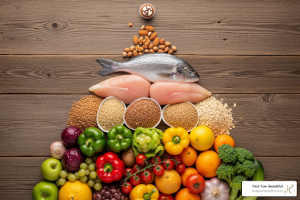 Retrieved from: FindYourBeautiful –
Link:https://findyourbeautiful.com/blog/best-diet-for-weight-loss-2025/
Have you ever noticed how suddenly everyone seems to be on the same diet? One month it’s keto, the next it’s vegan, and then suddenly “high-protein everything” is trending? It might seem like a social media issue, but these diet trends have a real impact on how food is produced, sold, and consumed across communities and their food systems.
Trending diets are more than just one’s personal choices; they also influence demand for certain products. When larg e groups of people begin eating differently, the food industry for specific items has to adjust. One of the biggest examples in Canada right now is the rise of plant-based diets, including vegan, vegetarian, and flexitarian (primarily plant-based) eating. Studies show that around 15% of Canadians follow some form of plant-based eating, and many more are trying to reduce their meat intake (MPDI Nutrients). Additionally, over half of Canadians say they are actively trying to eat more plant-based foods (Humane World for Animals).
This transition in eating habits has a direct effect on the general food system. As demand for more plant-based foods increases, companies are producing more alternatives, such as plant-based burgers, dairy-free milk, and meat substitutes. In fact, plant-based food products in Canada have been growing quickly, with major increases in product launches and sales in recent years (Agriculture and Agri-Food Canada). In contrast, certain animal-based foods, such as protein-deficient dairy products, have experienced lower demand and revenue in the past few years, highlighting the negative effects of food demand changes. Moreover, this shows how a trend that starts with individuals can reshape what is available in grocery stores.
Other diets, such as the keto diet and high-protein trends, also affect the food system in different ways. These diets often increase demand for meat and protein-rich products. As I have stated before, when more people follow these diets, it can lead to higher production of animal-based foods, which affects farming, pricing, and even environmental patterns over time. While increased revenue can lead to greater economic growth, it is important to recognize that the environmental impact of mass farming could pose long-term issues. Fortunately, more Canadians are choosing a more balanced approach combining both plant-based and animal-based foods rather than sticking to one extreme diet (Dalhousie University).
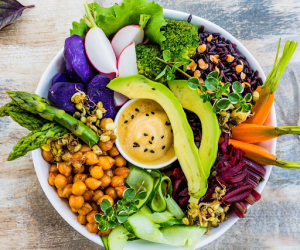 As I have previously stated, there are also environmental impacts tied to these trends. For example, diets that focus more on plant-based foods are often associated with lower environmental impacts because they generally require fewer natural resources than meat production. Recent trends in food systems show that reducing meat consumption and increasing plant-based foods can significantly reduce environmental impacts, such as greenhouse gas emissions. Because of this, some people choose a diet not only for their health, but also for sustainability.
However, trending diets can also create certain challenges for food systems. When demand shifts quickly, farmers and producers may struggle to keep up or adapt, which can lead to lower revenue and more layoffs. For example, if more people suddenly choose to eat plant-based foods, there needs to be enough crops such as soy, peas, and lentils to meet that demand. Furthermore, if fewer people choose to buy certain animal products, it can affect farmers who rely on those industries.
Likewise, another important factor is accessibility. Not all trending diets are affordable or realistic for everyone. Some foods special to diets, such as plant-based meat alternatives or keto-friendly products, can be more expensive than their generic counterparts. This can create a socioeconomic gap in which certain groups cannot easily follow these diets, even if they want to. As a result, food trends can sometimes highlight inequalities within our communities and food system.
Overall, trending diets show how connected our personal choices are to the larger systems of our surroundings. What people choose to eat doesn’t just stay on their plate; it affects farmers, businesses, prices, and even the environment. Whether it’s plant-based eating, keto, or high-protein diets, these trends are constantly shaping the way food systems evolve. What starts as a trend can quickly become a long-term, or even a short-term, shift in how food is produced and consumed.
Retrieved from: EndoExcellenceCenter –
Link: https://endoexcellencecenter.com/nutritional-changes-for-endometriosis-and-pain-reduction/
Works Cited:
Agriculture and Agri-Food Canada. Sector Trend Analysis: Plant-Based Protein Food and Drink Trends in Canada. Government of Canada. Retrieved from: https://agriculture.canada.ca/en/international-trade/reports-and-guides/sector-trend-analysis-plant-based-protein-food-and-drink-trends-canada. Accessed March 17th, 2026.
Humane World for Animals. New Data Shows Surging Demand for Plant-Based Foods in Canada. Humane World for Animals. Retrieved from: https://www.humaneworld.org/en/news/data-plant-based-foods-canada. Accessed March 17th, 2026.
Longworth, Z. Trends in Plant-Based Diets and the Associated Health Outcomes in Canada. MDPI Nutrients. Retrieved from: https://www.mdpi.com/2072-6643/16/16/2628. Accessed March 17th, 2026.
Charlebois, S. Plant-based products. Retrieved from: https://www.dal.ca/sites/agri-food/research/plant-based-products.html. Accessed March 17th, 2026.