Written by: Soham Parmar
Edited by: Divya Dasgupta
Designed by: Rashiqa Ali
Published by: Danujan Krishnakumar
Food Fraud: What’s Really on Your Plate
We’ve all been there: you’re at the grocery store, looking at a bottle of “Extra Virgin Olive Oil” or a bag of “100% Ground Coffee.” You trust the label because, well, why wouldn’t you? It’s food. It’s regulated. But what if I told you that some of the most common items in your kitchen might not be what they claim to be?
This is called food fraud. It’s not just a mistake; it’s when companies purposefully mess with food to make more money. It’s a massive global problem that happens way more often than people realize.
The Different Kinds of Food Fraud
The industry term for this problem is Economically Motivated Adulteration (EMA). This refers to any situation where a product is altered to lower costs while the selling price remains high. There are four primary ways this is done:
- Adulteration: This is the practice of adding a cheaper, undeclared ingredient to a product
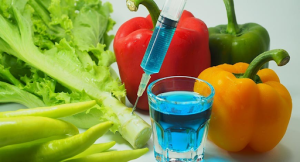 to increase its weight or volume. A well-known example is the addition of cellulose (wood pulp) to grated Parmesan cheese or mixing cheap syrups into honey.
- Substitution: This occurs when a high-value ingredient is replaced by a cheaper alternative. This is extremely common in the seafood industry, where expensive fish like Red Snapper or White Tuna are swapped for lower-grade fish like Tilapia or Escolar.
- Dilution: This method is used for liquids. Premium products like Extra Virgin Olive Oil are often thinned out with cheap seed oils, such as sunflower or soybean oil, to create more volume for less money.
- Mislabelling: This is the most direct form of fraud. It involves lying about where the food came from or how it was produced. This includes labeling farmed fish as “wild-caught” or calling conventional produce “organic” just to charge a higher price.
Real-Life Examples of Food Fraud
Olive oil is one of the most commonly faked products. Many bottles labeled as “Extra Virgin Olive Oil” are mixed with cheaper oils like vegetable or sunflower oil. So even though you’re paying for something premium, you might not actually be getting it.
Honey is another big example. A lot of “pure honey” is diluted with sugar syrups to increase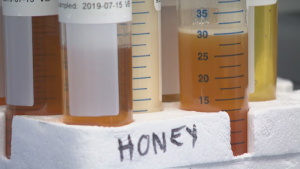 quantity. It still looks and tastes similar, but it’s not the real thing.
Coffee can also be affected. Some ground coffee has been found to contain fillers like roasted corn or barley. This lowers the cost for producers but tricks consumers into thinking they’re getting 100% coffee.
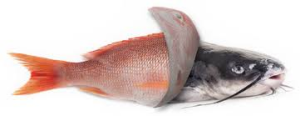 Seafood fraud is also very common. Expensive fish like tuna or salmon are sometimes replaced with cheaper fish. Most people can’t tell the difference, which makes it easy for companies to get away with it.
Spices are another surprising example. Spices like saffron and turmeric are sometimes mixed with cheaper substances or even artificial colors to make them look more high-quality. Since spices are expensive, this is a common target for fraud.
Milk and dairy products have also been involved in fraud cases. In some situations, water has been added to milk to increase volume, and in more serious cases, harmful chemicals have been used to fake higher protein levels.
The Dangers of Food Fraud
Some of the main dangers of food fraud include:
Health risks:
Altered food can contain harmful substances or hidden allergens that aren’t listed on the label. This can be dangerous, especially for people with allergies. In some cases, fake ingredients or chemicals have caused serious illnesses and hospitalizations.
Being misled:
Consumers trust labels when buying food, expecting quality and safety. Food fraud breaks that trust because people think they’re getting high-quality or pure products, but they are actually getting something cheaper or altered.
Serious health cases:
Food fraud has caused real harm in the past. For example, in the 2008 melamine milk 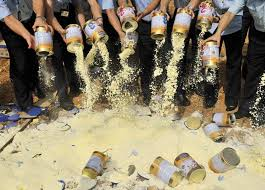 scandal, melamine (a toxic industrial compound) was added to milk, making thousands of people sick, especially babies. Four months later, an estimated 300,000 babies in China were sick from the contaminated milk, and the kidney damage led to six fatalities. This shows that food fraud is not always harmless—it can be dangerous and even life-threatening.
Hidden allergens and unknown ingredients:
When ingredients are substituted or not listed properly, people may unknowingly consume something they are allergic to. This can lead to severe allergic reactions and medical emergencies.
Unfair to honest businesses:
Companies that follow food safety rules can lose money because they can’t compete with cheaper, fake products. This makes it harder for honest businesses to succeed.
Loss of trust in the food system:
When people find out that food is being faked or mislabeled, they start to lose trust in brands, labels, and even government regulations meant to protect them.
How To Prevent Food Fraud
Even though food fraud is a big issue, there are still simple ways people can protect themselves.
Some ways to avoid it include:
- Check the price:
If a product is much cheaper than usual, especially something considered premium, it could be a sign that it’s not authentic. - Read labels carefully:
Look for clear ingredient lists and information about where the product comes from.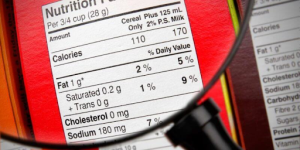 Vague or unclear labels can be a red flag.
 - Buy from trusted brands:
Well-known brands and stores are more likely to follow food safety regulations. - Pay attention to quality:
Notice the taste, smell, and appearance. If something seems unusual, it might not be genuine. - Stay informed:
The more people know about food fraud, the harder it becomes for companies to continue these practices.
What’s Really on Your Plate
Food fraud is something most people don’t think about, but it’s more common than we realize. From olive oil to honey to seafood, many everyday foods can be altered or mislabeled.
This doesn’t mean you should stop trusting everything you buy, but it does mean you should be more aware. The more people understand food fraud, the harder it becomes for companies to get away with it.
So next time you’re at the grocery store, take a closer look—because what’s on the label isn’t always what’s inside.
Because at the end of the day, it’s not just about what you’re eating—it’s about knowing the truth behind it. And the more aware we are, the more power we have to make better choices.
Sources:
- FDA. (2021, November 4). Economically Motivated Adulteration (Food Fraud). FDA. https://www.fda.gov/food/compliance-enforcement-food/economically-motivated-adulteration-food-fraud
- Canadian Food Inspection Agency. (2022). What is food fraud – inspection.canada.ca. Canada.ca.
https://inspection.canada.ca/en/food-labels/food-fraud/what-food-fraud
- Huang, Y. (2014, July 16). The 2008 Milk Scandal Revisited. Forbes. https://www.forbes.com/sites/yanzhonghuang/2014/07/16/the-2008-milk-scandal-revisited/
- Canadian Food Inspection Agency. (2024). How food fraud impacts consumers – inspection.canada.ca. Canada.ca.
https://inspection.canada.ca/en/food-labels/food-fraud/how-food-fraud-impacts-consumers
- iNECTA. (2023, April 22). 5 Biggest Food Fraud Cases. Www.inecta.com. https://www.inecta.com/blog/5-biggest-food-fraud-cases