

Written by: Aryan Bharucha
Edited by: Mannat Malhan
Designed by: Nabiha Khan
I’m sure we’ve all visited a greenhouse to explore the incredible variety of plants it has to offer, and it’s always a relaxing experience. Many of you may have noticed the rush of warm, moist air as you step inside. This phenomenon is not accidental; it is the result of how heat and water interact in a closed environment. Let’s take a closer look at why greenhouses are so humid!
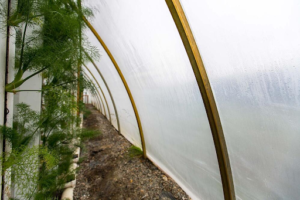
Greenhouses tend to be humid due to heat and moisture being trapped inside. The air becomes moist as plants continue to release water into the air, while the sunlight from the sun heats the inside of the greenhouse. The exterior portion of greenhouses is usually made from glass or plastic, through which sunlight can easily pass, and heats the plants and soil inside. The warmth these surfaces give off is called infrared radiation, which has a hard time passing back out through glass or plastic. This process is known as the greenhouse effect, and is the reason why they remain warm and moist.
The Greenhouse Effect
The greenhouse effect is a natural process that keeps the Earth warm by trapping sunlight in the atmosphere. Greenhouse gases like carbon dioxide and methane act like a blanket, preventing heat from escaping. However, an excess of these gases is causing the Earth to become much warmer than it should be, leading to global warming.

How Greenhouses Work During The Winter
 In Canada, temperatures can drop to -30°C, which raises the question of how greenhouses manage to keep their plants warm and cozy during the harsh winter months. While it is true that heat is often trapped inside, the main reason these greenhouses stay warm is that sunlight continues to enter through the glass. Even when the sun may not be visible, it can still provide warmth. Additionally, insulation and heaters are effective methods for maintaining a warm environment, allowing the plants to thrive.
In conclusion, plants thrive in greenhouses due to trapped heat and ideal conditions. It provides a VIP experience for them day and night, thanks to Earth’s natural phenomena!
Bibliography
Works Cited
Managing Humidity in the Greenhouse. (n.d.). Greenhouse Product News. https://gpnmag.com/article/managing-humidity-in-the-greenhouse/.
Means, T., & Lallanilla, M. (2021, June 9). Greenhouse Gases: Causes, Sources and Environmental Effects. Live Science; Live Science. https://www.livescience.com/37821-greenhouse-gases.html.
Hansen, P. (2024, January 24). How Do Greenhouses Work In The Winter? Backyard Discovery Canada. https://www.backyarddiscovery.ca/blogs/news/how-do-greenhouses-work-in-the-winter?srsltid=AfmBOooXuYtByw8rThHWrQ5LTTl6YW_aknlX8uZud-_dj2uUyK7UwlRq.
Image Credit
How to reduce humidity in a greenhouse. (n.d.). https://zipgrow.com/how-to-reduce-humidity-in-a-greenhouse/?srsltid=AfmBOop6fFqY3BAP5GH0b8TEpByqAQ8Fp0BGLv9NeIXo9HylkB_s_HFg.
Climate Change. (2024). https://www.epa.gov/system/files/documents/2024-09/climate_indicators_2024.pdf.
Tatiana Grozetskaya. (n.d.). Shutterstock.com.
GIE Media Horticulture Group. (n.d). https://www.greenhousemag.com/author/giemediahorticulturegroup/.