Written by: Aditya Batra
Edited by: Harnoor Kaur Chahal
Designed by: Serena Sclippa
Understanding Food Labels: How to Make Smarter Choices in Canadian Grocery Stores
Let’s be honest—grocery shopping can feel like a confusing maze of buzzwords and fine print. You pick up a box of crackers and see labels like organic, non-GMO, natural, and local. Sounds healthy, right? But what do those labels actually mean? And how do you know you’re making the best choice for your health, values, and wallet?
Whether you’re shopping at a big-box grocery store or checking out your local farmers’ market, understanding food labels is one of the most powerful tools you can use as a consumer.

Why Food Labels Matter
Food labels are more than just marketing—they’re your window into what you’re actually putting into your body. They can tell you:
- How a food was produced
- What ingredients are inside
- Whether it’s aligned with your dietary needs or values (like environmental sustainability or animal welfare)
In Canada, food labels are regulated by the Canadian Food Inspection Agency (CFIA) and Health Canada, which means many claims (like organic or gluten-free) must meet specific standards. But that doesn’t mean all labels are easy to understand—some require a bit of decoding.

What Do Those Labels Really Mean?
Let’s break down some of the most common labels you’ll see on Canadian food products:
Organic
If a product is labeled organic in Canada, it must be certified by a CFIA-accredited organization. This means:
- No synthetic pesticides or fertilizers
- No GMOs
- No growth hormones or antibiotics in animal products
Non-GMO
This label means the product doesn’t contain any genetically modified organisms. While Health Canada considers GMOs safe, some consumers prefer to avoid them for personal or ethical reasons.
Natural
This one can be tricky. In Canada, natural usually means no added vitamins, minerals, artificial flavors, or synthetic additives. But it doesn’t necessarily mean the product is minimally processed or pesticide-free.
Local
There’s no strict legal definition of local in Canada, but it usually means the food was produced within your province or roughly within 50 to 100 km.
Fair Trade
Fair Trade labels are typically found on products like coffee, chocolate, tea, and bananas. These certifications ensure producers in developing countries are paid fairly and work under safe conditions.
How to Read the Nutrition Facts Table
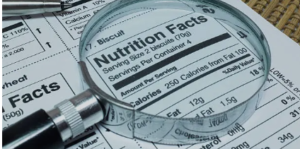
Beyond the front-of-package claims, the Nutrition Facts Table and ingredient list offer standardized, science-backed information. Here’s what to pay attention to:
- Serving Size: Everything else in the table is based on this, so check it first.
- Calories: Helps manage your energy intake.
- % Daily Value: Tells if a nutrient is low (5% or less) or high (15% or more).
- Nutrients to Limit: Watch for high levels of sodium, saturated fats, and added sugars.
- Nutrients to Get More Of: Fibre, iron, calcium, and vitamins support overall health.
Tips for Making Informed Food Choices
- Compare similar products using the Nutrition Facts Table.
- Scan the ingredient list for hidden sugars, artificial additives, or allergens.
- Go for whole foods and minimally processed items when you can.
- Use apps like Yuka or Open Food Facts to check how healthy or eco-friendly a product is.
- Shop local when possible—farmers’ markets, co-ops, and CSA programs in the KWC area offer great seasonal options.
Final Thoughts
Food labels don’t have to be intimidating. Once you understand what the common terms and numbers really mean, you can shop with confidence. Whether you’re trying to eat healthier, support local growers, reduce your carbon footprint, or just be a more conscious consumer, understanding food labels is a simple but powerful way to take control of your choices.

Sources:
https://inspection.canada.ca/en/food-labels/labelling
https://www.canada.ca/en/health-canada/services/food-nutrition/nutrition-labelling.html
https://inspection.canada.ca/organic-products
https://www.regionofwaterloo.ca