Written by: Ish Modi
Edited by: Mannat Malhan
Designed by: Polina
What is a CSA?
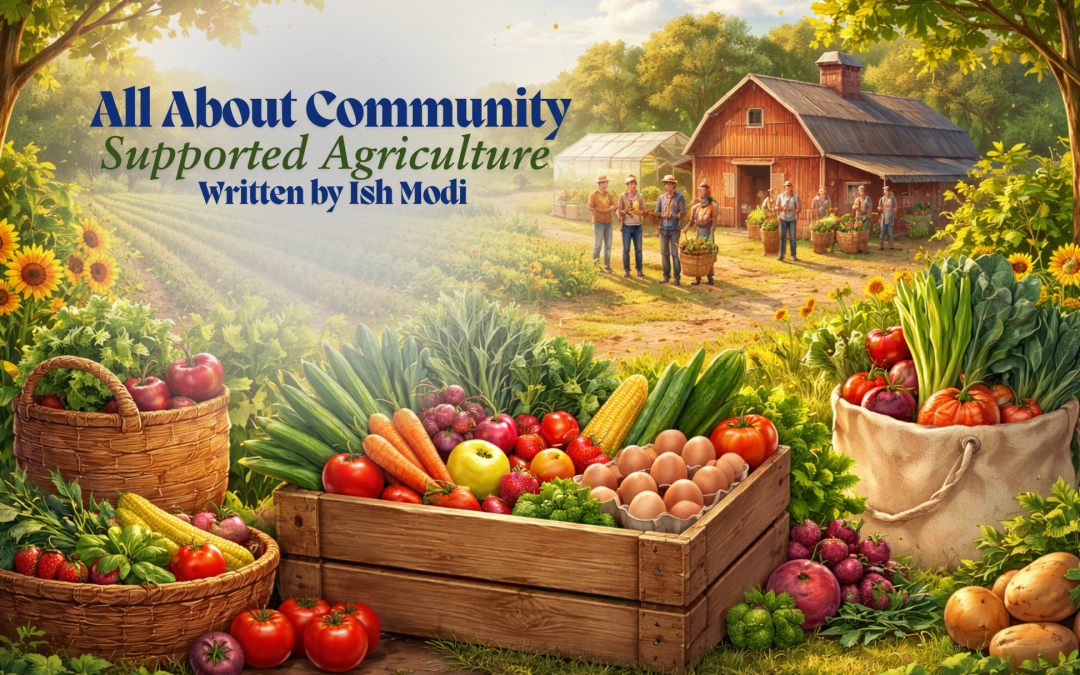
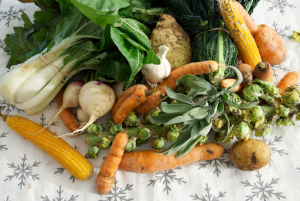
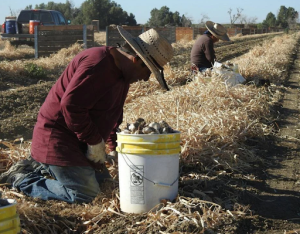
Community Supported Agriculture (CSA) is a farming model that bridges the gap between farmers and the people who eat their food. Basically, a CSA is a subscription to a local farm. Members of the community buy a share of the farm’s harvest at the beginning of the growing season and, in return, receive a box of fresh, seasonal produce every week, much like a stock market.
 How it relates to Food Systems
In our standard global food system, food passes through many hands. It passes through packagers, shippers, wholesalers, and retailers. All this happens before it reaches you. A CSA creates a direct chain rather than the produce purchased through a non-CSA. Instead of buying packaged food that has been waiting in retail warehouses, they can buy produce directly. This removes middlemen, ensuring that food travels the shortest distance possible and that the people who grow it receive the highest possible profit.
Shared Risk and Reward
 One of the most distinctive aspects of a CSA is the concept of shared risk, which sets it apart from other contracts.
- The Reality: In a typical food system, if a crop fails due to bad weather, the farmer loses everything, while the grocery store simply buys from another country.
- The CSA Difference: In a CSA, the community continues to buy from the farmer. If a hailstorm hits the kale but the tomatoes thrive, the members get tomatoes. This creates a social safety net that makes local food systems more resilient to the unpredictable nature of climate change.
Economic Empowerment
By paying for their shares upfront, community members provide the farmer with working capital. Farmers often have high costs in the spring but don’t see money until the fall. The CSA model provides the financial stability they need to plan their season without going into debt/suffering losses.
Closing the Loop
Many CSAs encourage a circular approach. Some farms ask members to return their egg cartons or vegetable crates for reuse, and others even offer composting programs in which members bring their kitchen scraps back to the farm to be turned into soil. It transforms shopping into stewardship.
References
Unlock the Benefits of Community Supported Agriculture Now. (2025). Mmfarmstead.com. https://mmfarmstead.com/blog447478/b/unlock-the-benefits-of-community-supported-agriculture-now.
Stoneledge Farms CSA Local Farming Week Twenty-Three CLS_6167. (2026, March 17). Flickr. https://flickr.com/photos/24415055@N00/8180585045.
Us, A. (2019). Central Coast Farms. Central Coast Farms. https://www.centralcoastfarms.org/about-us.
Local Harvest. (2019). Community Supported Agriculture. Localharvest.org. https://www.localharvest.org/csa/.
Civil Eats: Promoting Critical Thought About Sustainable Agriculture and Food Systems. (n.d.). https://civileats.com/.
Rodale Institute. (2018). Pioneers of Organic Agriculture Research. https://rodaleinstitute.org/.